How Transponder Keys and Key Fobs Secure Your Vehicle
Modern car keys do more than turn a lock. Most vehicles built in the last two decades rely on a small electronic chip inside the key or fob to communicate with the car's computer. This adds a layer of security that a simple metal key cannot provide. Understanding how these systems work can help you avoid common frustrations, especially if you ever find yourself locked out or dealing with a non-starting car.
What a Transponder Key Actually Does
A transponder key contains a tiny radio-frequency chip, often called a transponder chip. When you insert the key into the ignition or bring the fob near the car, the chip sends a unique code to the vehicle's receiver. The car checks that code against its memory. If the code matches, the vehicle allows the engine to start or the doors to unlock. If not, nothing happens.
This system is known as a passive keyless entry or a transponder-based security system. The chip does not need its own battery. It draws a small amount of power from the radio signal sent by the car. That is why a dead key fob battery can still let you start the car if you hold the fob close to the start button or insert the key into the ignition slot. The car supplies the energy wirelessly.
Key fobs, on the other hand, are active devices. They contain a small battery that powers the transmitter when you press a button. The fob sends a signal that tells the car to lock or unlock the doors. Some fobs also include a transponder chip for starting the engine. This combination is common in modern cars, where the fob handles door access and the transponder chip handles ignition authorization.

How the Chip Talks to Your Car
The communication between the transponder chip and the car uses a low-frequency radio signal. When you turn the key or press the start button, the car sends out a challenge signal. The chip receives that signal and responds with its own code. The car's computer compares the response to a list of authorized codes stored in its memory. If the codes match, the car disables the ignition lock and allows the engine to run.
This process happens in milliseconds. You never notice it, but without the correct transponder chip the car will not start even if the key blade fits the lock perfectly. That is why a replacement key cut from a hardware store kiosk often fails to start the car. The metal key may turn the lock, but the car's computer expects a specific electronic handshake before it releases the ignition.
Programming a New Transponder Key
When you need a new key for your car, you cannot simply duplicate the metal part. You also need to program the replacement transponder chip to match your car's memory. Transponder key programming is the process of teaching the car to recognize a new chip. Some cars allow you to do this yourself by following a sequence of steps with the existing key. Other cars require a specialized tool that communicates with the vehicle's onboard computer.
For many cars, the programming process involves inserting an already authorized key into the ignition, turning it to a specific position, and then quickly inserting the new key. The car copies the code from the old chip to the new one. This method works for some makes and models, but not all. Cars with more advanced security systems may require a diagnostic tool that connects to the car's port under the dashboard. A locksmith or dealership typically uses this equipment.
Proof of ownership is almost always required for any type of key programming. Locksmiths and dealerships ask for the vehicle's registration, title, or a matching identification card before they program a new key. This protects against unauthorized duplication. If you lose all your keys, having your vehicle identification number handy can help the locksmith look up the correct key blank and programming procedure. The VIN tells the technician exactly which transponder system your car uses.
What Can Go Wrong
Transponder keys and fobs are reliable, but they do fail. Common problems include a dead remote battery in a key fob, a damaged transponder chip from dropping the key, or a corrupted code caused by a low car battery. If your car does not recognize the key, try using the spare key first. If the spare works, the original key likely has a chip problem. If neither key works, the issue may be with the car's receiver or the onboard computer.
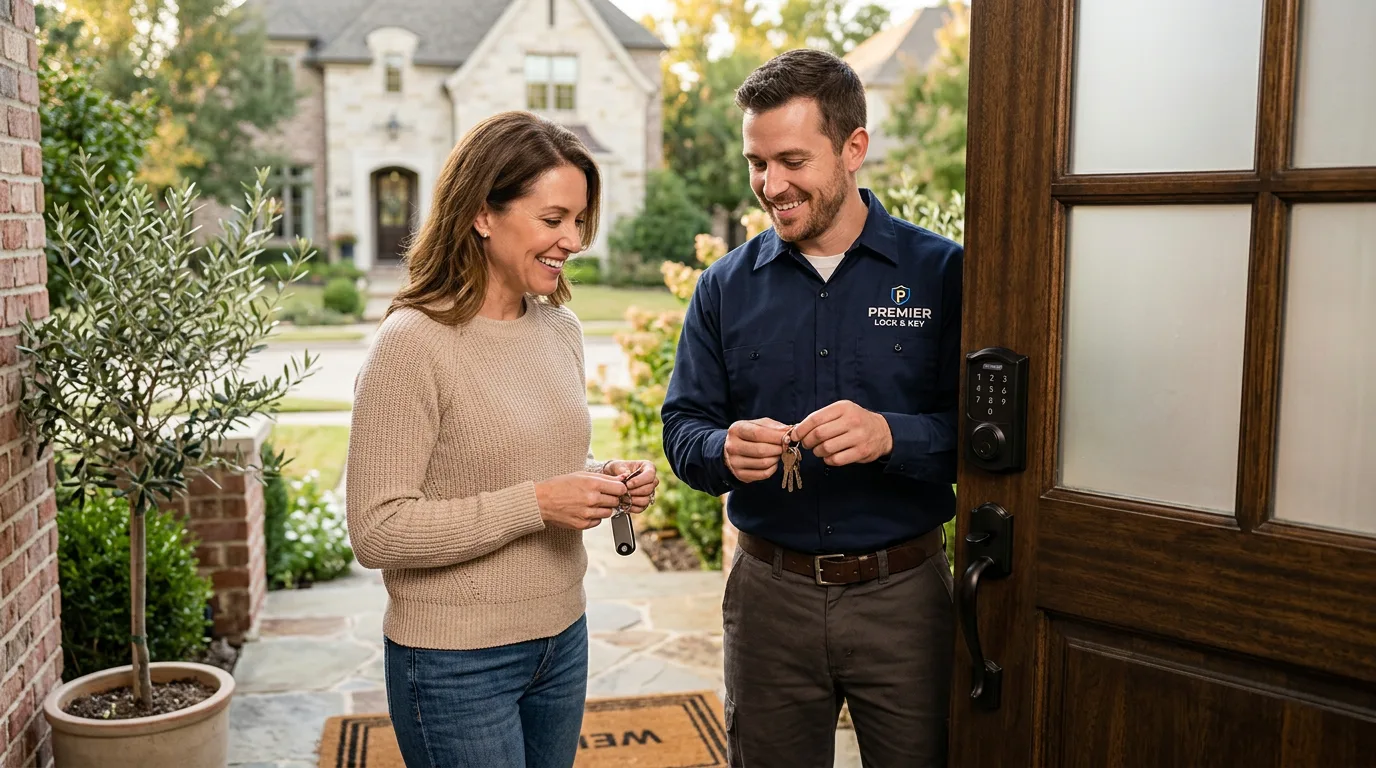
Another common issue is accidentally erasing the code from the car's memory. Some cars lose their key codes if the main battery goes completely dead. When you jump-start the car, the system may not remember which keys are authorized. In that case, you need to reprogram all the keys, including the ones that worked before. This is one of those situations where having a locksmith who can visit your location saves time.
If you are locked out of your car and the fob battery is dead, you might still be able to open the door manually using the key blade hidden inside the fob. Many fobs have a small release button that slides out a metal key. That key opens the driver door lock manually. Once inside, you can move the fob close to the start button and try starting the car. If the car starts, the transponder chip is still working even though the fob battery is dead.
When to Call a Professional
Transponder key programming is straightforward for some cars, but tricky for others. If you have tried the manual programming steps from your owner's manual and the new key still does not work, it is time to call a locksmith who handles automotive electronics. They carry the tools to read the car's system, erase old codes, and program new keys on the spot.
For a situation where you have lost all your keys, the locksmith can come to your location with a mobile unit. They cut a new key blade from the lock and then program a new transponder chip to match your car's system. This is where you might need roadside automotive lockout help if you are stuck away from home. A mobile locksmith who covers Nassau County can handle that kind of call, arriving with the equipment to get you back on the road without towing the car to a dealership.
It is worth knowing that not all locksmiths work on cars. Some focus on homes and businesses. When you look for help, ask specifically whether the technician handles automotive transponder keys and fobs. A locksmith who works on vehicles will have the programming tools for multiple brands and years.
Keeping Your Keys Working
A few simple habits can prevent problems. Replace the battery in your key fob every year or two, even if it seems fine. A weak battery can cause intermittent lock and unlock issues before it dies completely. Keep your keys dry. Water can damage the transponder chip, especially in older keys where the plastic housing has cracked. If you drop a key in water, remove the battery from the fob if possible and let everything dry thoroughly before trying to use it.
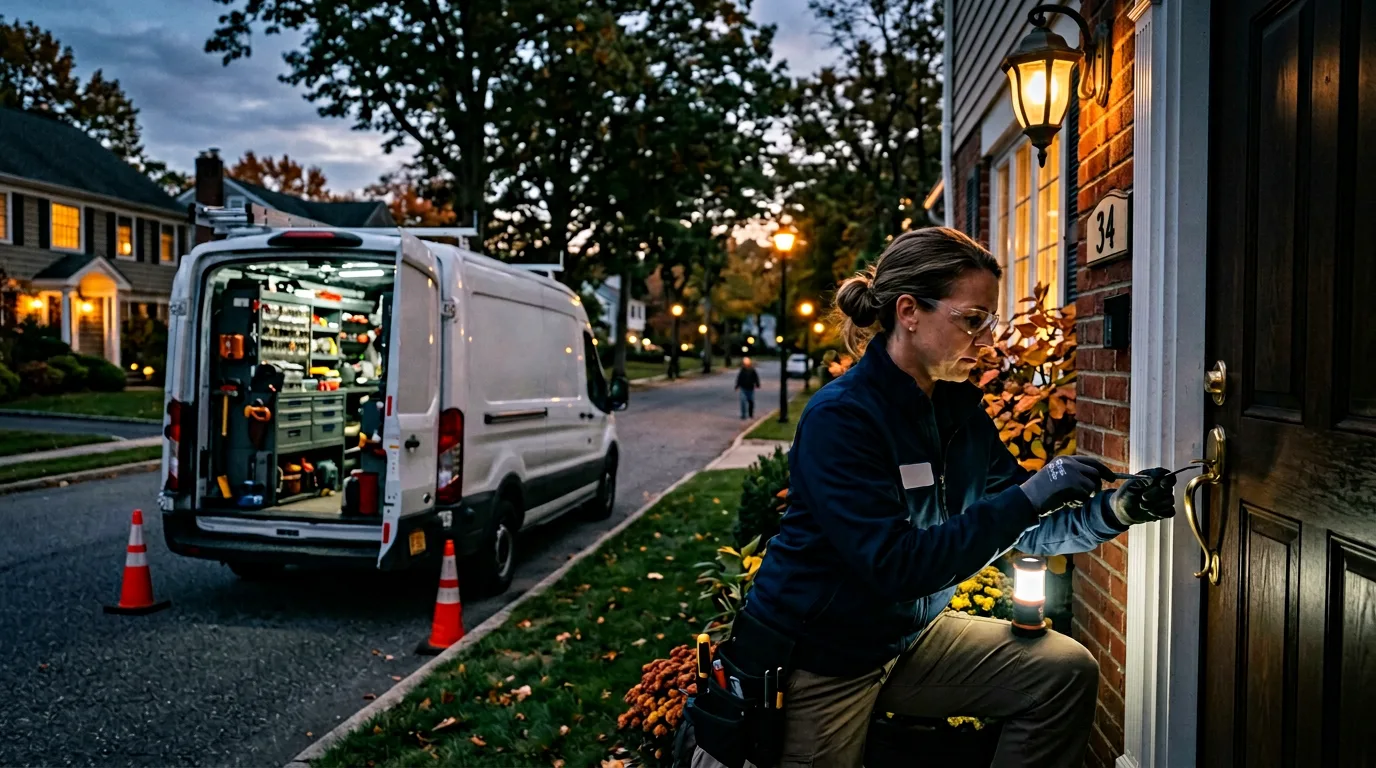
It is also smart to have a spare programmed key stored somewhere safe. If you lose your primary key, having a spare saves you from needing urgent roadside automotive lockout help at an inconvenient time. A spare key can also serve as a backup for testing whether a problem is with the car or with the key itself.
The Bottom Line
Transponder keys and fobs add real security, but they also introduce a layer of complexity that older metal keys did not have. Understanding how they work helps you diagnose problems yourself and know when to call for professional transponder key programming. If you keep a spare key handy and maintain the fob battery, you will avoid most of the common headaches. For the rest, a mobile locksmith with the right tools can get you sorted quickly.